Seafood Packaging – Solutions to Preserve & Enhance Brands
IntroductionPopular Types of Seafood Packaging
- Plastic bags PE, PP
- Advantages: Light, flexible, moisture resistant, easy to print logos/labels.
- Application: Packaging frozen or fresh shrimp, fish, squid.
- Cost: Cheap, flexible production in large quantities.
- laminated film packaging
- Structure: PET/AL/PA/PE, PET/PA/PE, PET/MPET/PE, PA/PE…
- Advantages: Waterproof, anti-oxidation, resistant to deep cold, increases preservation time.
- Application: Packaging seafood for export, high-quality frozen products.
- Vacuum bag
- Advantages: Prevents bacteria, keeps air tight, prolongs storage time.
- Application: Shrimp, salmon fillet, squid, octopus, semi-processed products.
- Cost: Average, depends on thickness and material.
- Styrofoam packaging, food wrap
- Advantages: Product protection, easy to use, low price.
- Application: Quick packaging at markets, supermarkets, protecting seafood during transportation.
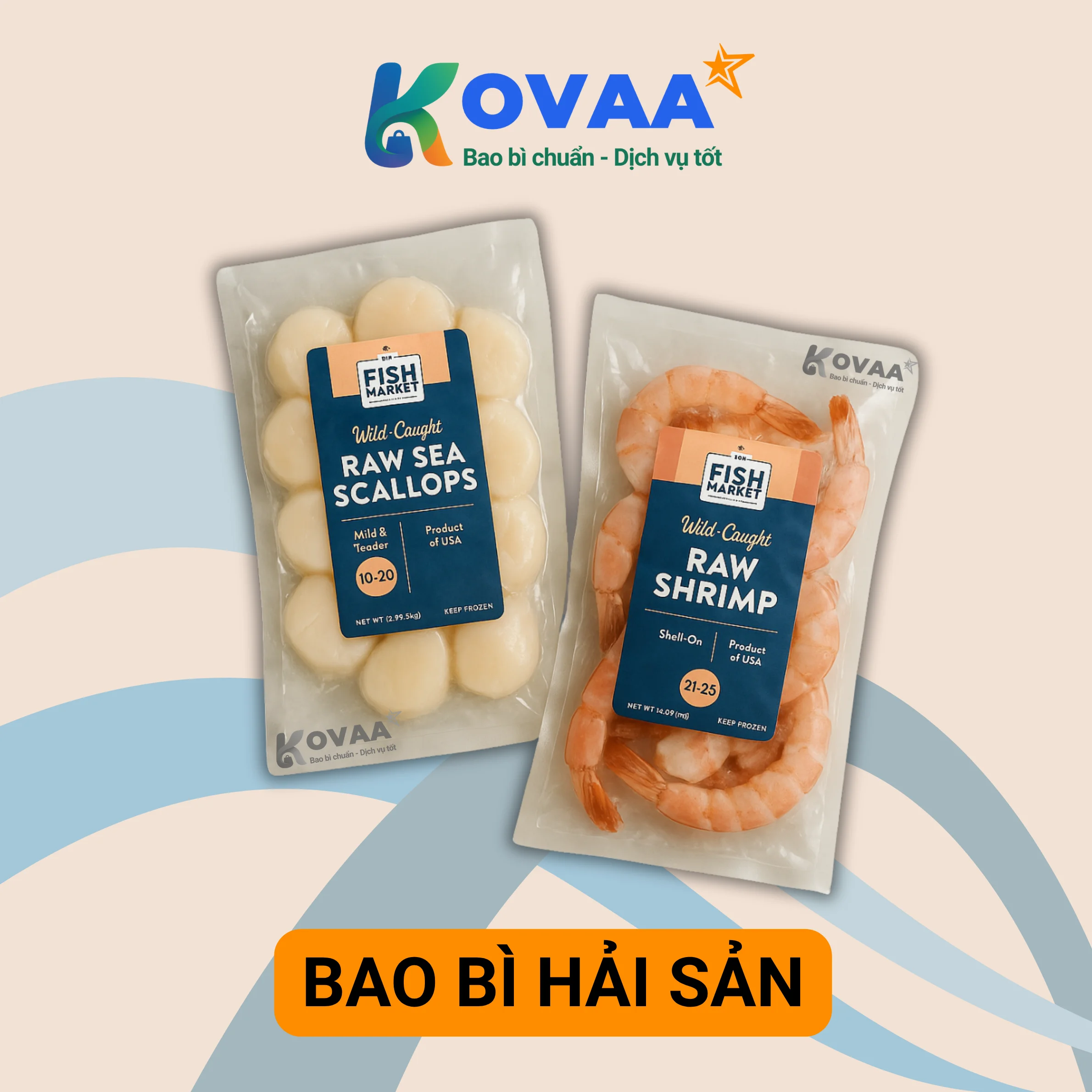
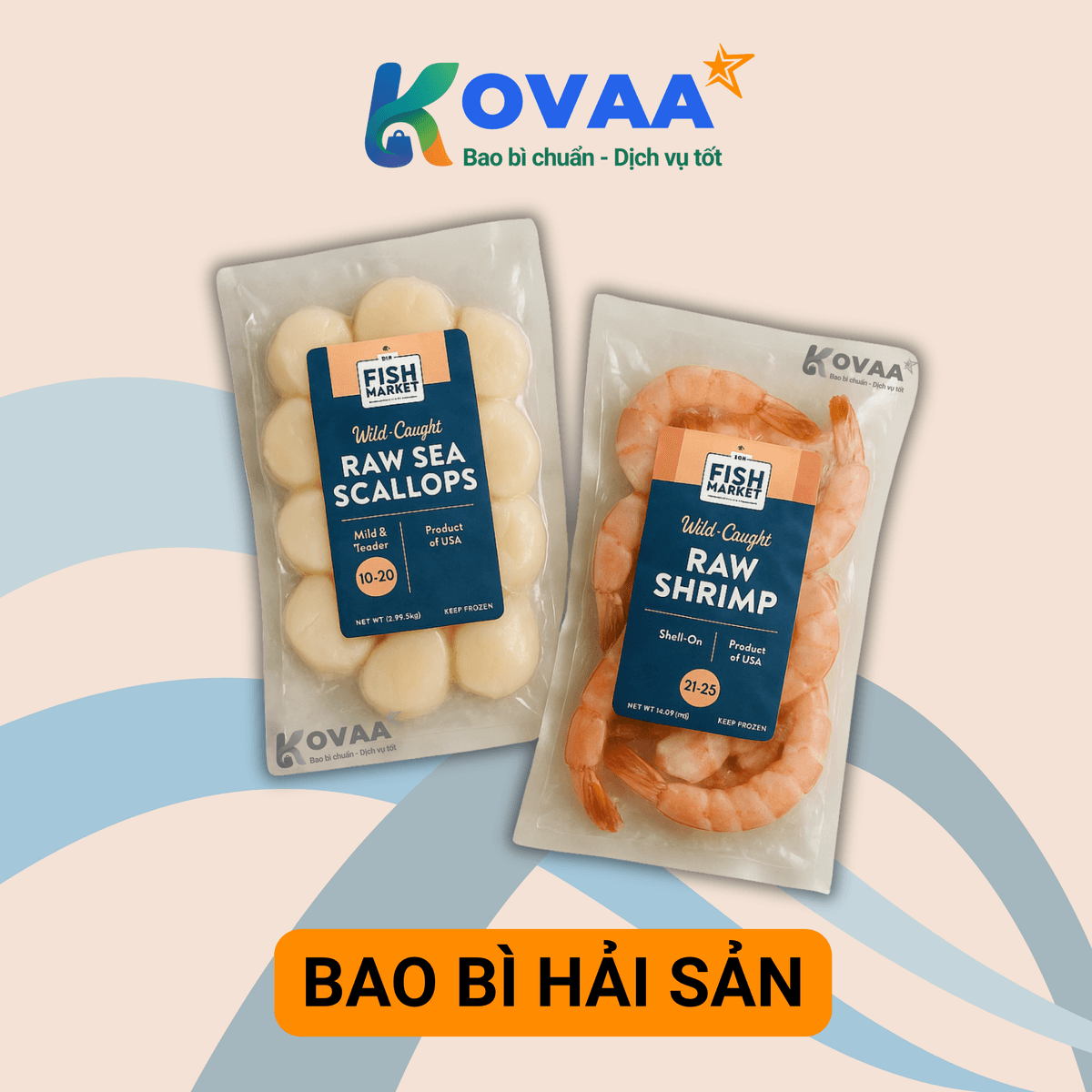 Figure 1: Multi-layer vacuum seafood packaging PA/PE helps preserve freshness, ensures food safety and hygiene and retains the flavor of the sea when transported long distances
Seafood Packaging Structure & Materials
| Packaging type | Structure / Material | Main uses |
|---|---|---|
| Plastic bag PE/PP | PE, PP | Pack fresh seafood for consumption at the market |
| laminated film grafted bag | PET/AL/PA/PE, PET/PA/PE, PA/PE | Moisture-proof, airtight, impact-resistant, long-term preservation |
| Vacuum bag | PA/PE, PET/PE | Keep fresh, prevent bacteria, extend shelf life |
| lightweight plastic shopping bags, wrapping films | EPS foam, thin plastic film | Transport protection, fast packaging |
Benefits of Using Standard Seafood Packaging
- Preserves freshness, prevents oxidation: Preserves taste, color, prevents microorganisms from entering.
- Ensuring food hygiene and safety: Standard packaging, non-toxic, suitable for food.
- Easy to transport and display: Compact, impact-resistant, optimal packaging and storage savings.
- Enhance brand recognition: Can print information, logo, traceability.
- Cost optimization: High-volume industrial production with many options according to budget.
Principles for Choosing Packaging According to Product
- Frozen seafood, whole: Bags PA/PE, PET/PE or deep cold-resistant, vacuum-sealed composite film.
- Preliminarily processed and frozen seafood: Priority is given to airtight packaging, vacuum bags PA/PE or PET/MPET/PE.
- Export goods: It is recommended to use multi-layer laminated films (AL, MPET) that meet international technical standards and optimally prevent oxidation.
- Domestic consumption: Often used PE, food wrap, EPS for short-term storage/display.
- Dried seafood: Choose kraft bag PE or vacuum bag PA/PE to prevent moisture and mold.
- High value (lobster, salmon): Can use Skin Pack or hard box PET, combined with high-quality composite vacuum bag.
Why Choose Seafood Packaging Printing at KOVAA?
- KOVAA is a packaging company specializing in designing, manufacturing, and printing packaging on demand, increasing brand recognition.
- Modern gravure printing technology, sharp images, beautiful and durable colors.
- Free consultation on choosing the optimal packaging and size for each seafood product line.
- Quick quote – nationwide door-to-door delivery – label design support.