Introduction
In the rice business, rice packaging is not only a means of storage, but also plays a role of preserving rice grain quality and promoting the brand. A beautiful, durable, and safety-standard rice packaging model will help:
-
Prevents mold, mildew and oxidation.
-
Preserves the delicious flavor of rice.
-
Create a competitive advantage right on store shelves and export markets.
What is rice packaging and why invest in quality?
Rice packaging is a bag or bag used to package and preserve rice during transportation, storage, and sale. Investing in a professional rice packaging design that combines the right materials will help:
-
Extend storage time.
-
Maintains full nutritional value.
-
Increase brand value in the eyes of consumers.
Poor quality packaging is easily torn, open, and absorbs moisture from the environment, causing rice to lose its smell, reducing quality and brand reputation.
Classification & popular rice packaging materials today
Woven PP Packaging
- Structure: PP fabric is firmly woven, durable, and has good tear resistance.
- Advantages: Cheap price, suitable for large packaging (10–50kg), easy to transport.
- Disadvantages: Limited printing, waterproofing ability is not as optimal as a laminated film.
Composite laminated film packaging (PA/PE, BOPP/PP woven, OPP/PE…)
- Structure: Multiple layers of materials (PA/PE, BOPP/PP woven...), the outer layer is aesthetically printed, the inner layer is waterproof and resistant.
- Advantages: Extremely moisture and mold resistant, tear and impact resistant, prints logos and brand information sharp and durable.
- Disadvantages: The price is higher than PP regular weaving.
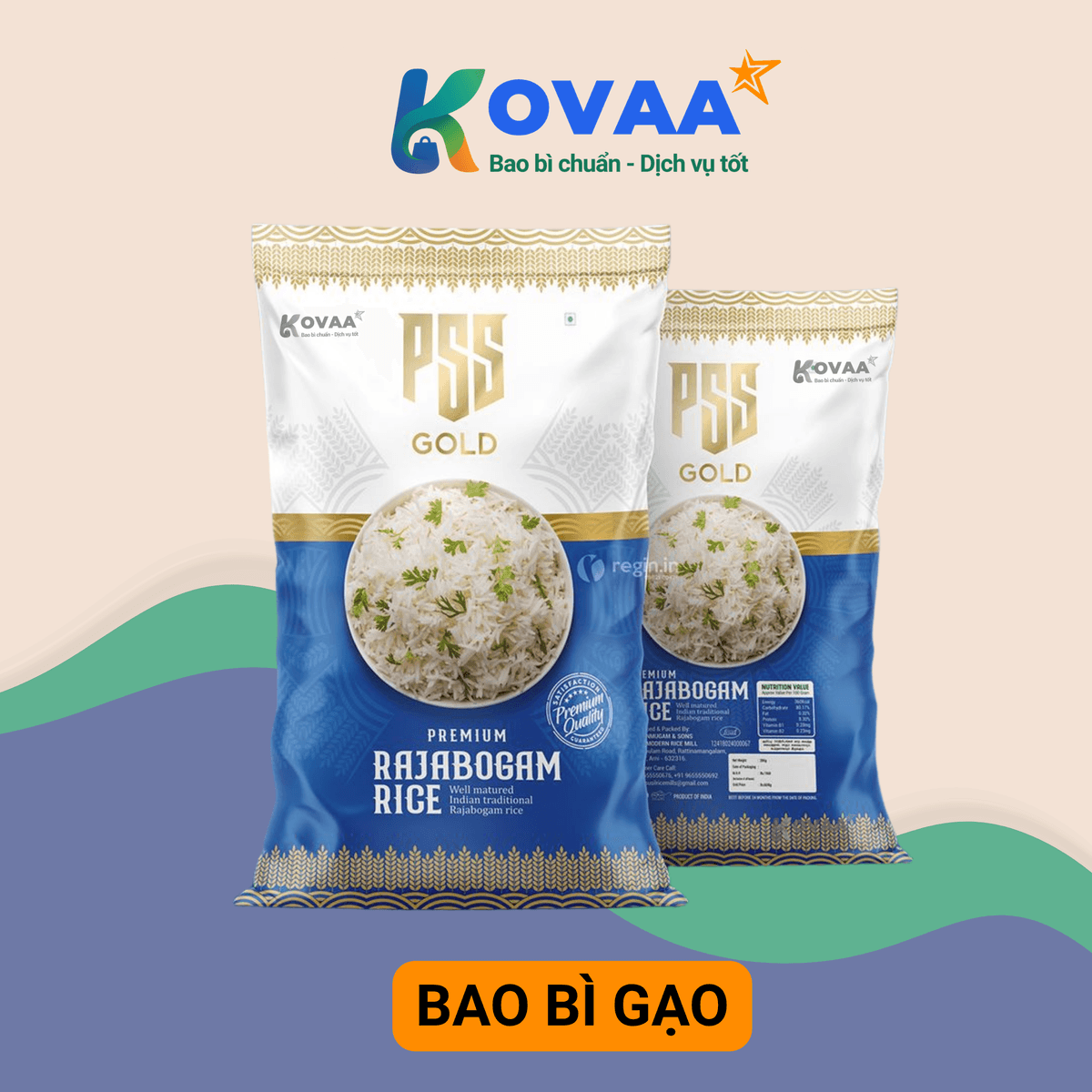 Image 2: multi-layer laminated rice packaging, optimal preservation and sharp brand printing
Vacuum rice packaging
- Material: Usually uses PA/PE thick film 130–150mic, pressed on three or four edges, perforated with convenient carrying handle.
- Advantages: Long-term preservation, retains flavor, resists mold and insects.
Plastic bag PE/LLDPE
- Commonly used: Small bag 1–2kg for retail or home use.
- Advantages: Cheap, light, flexible, convenient.
Popular rice packaging sizes
| Quantitative | Standard size (width x height) |
|---|---|
| 1kg | 20 x 28 cm |
| 2kg | 20 x 32 cm |
| 5kg | 30 x 46–50 cm |
| 10kg | 35 x 55 cm |
| 15kg | 45 x 65–75 cm |
| 20kg | 45 x 72–75 cm |
| 25kg | 50 x 75 cm |
| 50kg | 55–60 x 90–95 cm |
Benefits of using professional rice packaging
- Maximum preservation: Prevents moisture, prevents insects, protects rice grain quality.
- Increase brand value: Beautiful packaging and sharp printing help the product stand out more on store shelves.
- Convenient to transport and display: Has sturdy carrying handles, suitable for all sales channels.
- Increase customer trust: Clearly print the origin, expiration date, and food safety certification on the packaging.
How to choose suitable rice packaging
- Choose material according to needs: Export/long-term guarantee - should choose laminated film PA/PE, BOPP; Domestic retailers choose woven PP or PE.
- Standard size: Enough capacity, not too loose or too tight, causing the bag to tear during transportation.
- Design investment: Outstanding images, layout, and colors will attract customers at first sight.
- Choose a reputable factory: Ensures standard quality of materials, seams, food hygiene and safety.
Why choose KOVAA rice packaging?
- Optimal preservation: Laminated film technology, virgin PP material & premium PA/PE help preserve flavor, prevent moisture, and optimally prevent oxidation for each grain of rice.
- Impressive design: KOVAA meets all brand recognition requirements: logo, image, sharp and professional origin information.
- Diverse materials, meeting safety standards: From 1kg rice bags to 50kg rice bags.
- Dedicated consulting & support: Direct advice on material selection, sample design support, a modern factory; the larger the volume, the more competitive the unit price.