Contents
PE, PP and HDPE Bags Compared: Which Should You Choose for Your Product?
In the packaging industry, plastic bags are a commonly used material thanks to their flexibility, durability and ability to preserve food and goods well. However, not everyone clearly understands the difference between PE, PP and HDPE bags, leading to choosing the wrong packaging type, affecting product quality or production costs.
Let's join Packaging KOVAA to learn in detail about each type of bag, its characteristics, applications and how to choose the most suitable one for your product.
1. General introduction to popular plastic bags today
Plastic bags are divided into many types based on construction material, of which PE (Polyethylene), PP (Polypropylene) and HDPE (High Density Polyethylene) are the three most popular types today.
Each type has its own advantages, durability and applications, suitable for each specific product line in food, fashion, pharmaceuticals or industry.
– PE bag: soft, flexible, transparent, widely used in fresh and frozen foods, fruits and vegetables.
– PP bag: harder, glossier, more transparent than PE, often used to package confectionery, components or export goods.
– HDPE (HDPE) bag: has high opacity, toughness, good strength, often used for supermarkets, convenience stores or products that need thick packaging.
Understanding each type of bag helps businesses choose the right packaging materials, ensuring the product is best protected and optimizing production costs.
Distinguish between pe, pp and hd bags - which type should you choose for your product? 4
2. Characteristics and applications of each type of bag
Bag PE – Flexible, transparent, durable
PE bags are the most popular types of bags on the market, made from Polyethylene plastic beads that are soft, flexible and effectively waterproof.
The bag is highly transparent, making it easy to see the product inside, and is odorless and non-toxic - suitable for the food industry.
Popular applications:
– Packing vegetables, fresh foods, frozen foods.
– Used in the medical, pharmaceutical, and electronic components industries.
– Packaging for consumer goods, supermarket bags, zipper bags for dry goods.
Outstanding advantages:
– Effectively resists moisture and prevents air.
– Easy to seal, easy to print logos and designs.
– Reasonable price, suitable for large-scale production.
Bag PP – Hard, shiny, good heat resistance
PP bag is made from Polypropylene plastic, has characteristics of hardness, gloss and higher transparency than PE bag.
Thanks to its good heat resistance, PP bags can be used in moderately high temperature environments without deformation, very suitable for packaging dry food or products that need to keep a fixed shape.
Popular applications:
– Packing candy, noodles, vermicelli, dry pho.
– Packaging for components, pharmaceuticals, and high-end consumer goods.
– PP glued bags, branded printed bags for fashion stores.
Outstanding advantages:
– Resistant to heat well.
– Glossy, luxurious surface, easy to print.
– Increase the aesthetic value of the product.
HDPE bag – High opacity, effective waterproofing
The HDPE (HDPE) bag has a high thickness, a slightly more opaque and rougher surface than the PE, providing a solid feeling when holding.
This type of bag is waterproof, tear resistant and strong, and is widely used in consumer goods industries, especially as supermarket bags and food bags.
Popular applications:
– Handbags at supermarkets and convenience stores.
– Packaging for food, fruits, and fresh seafood.
– Technical packaging and industrial products need high durability.
Outstanding advantages:
– Durable, hard to tear, can withstand large loads.
– Resistant to water, oil and mild chemicals.
– Low price, suitable for mass production.
Distinguish between pe, pp and hd bags - which type should you choose for your product? 5
3. Suggested selection according to product needs
– If you sell fresh, frozen or dry foods, PE bags are the optimal choice.
– For confectionery products, dry foods or exported goods, you should choose PP bags to ensure shine and luxury.
– If you need thick, durable, heavy-duty bags (such as shopping bags, supermarket bags), the HDPE bag will be the most economical and effective choice.
4. PackagingKOVAA– Plastic bag supplierPE, PP, HDPEHigh quality, competitive price
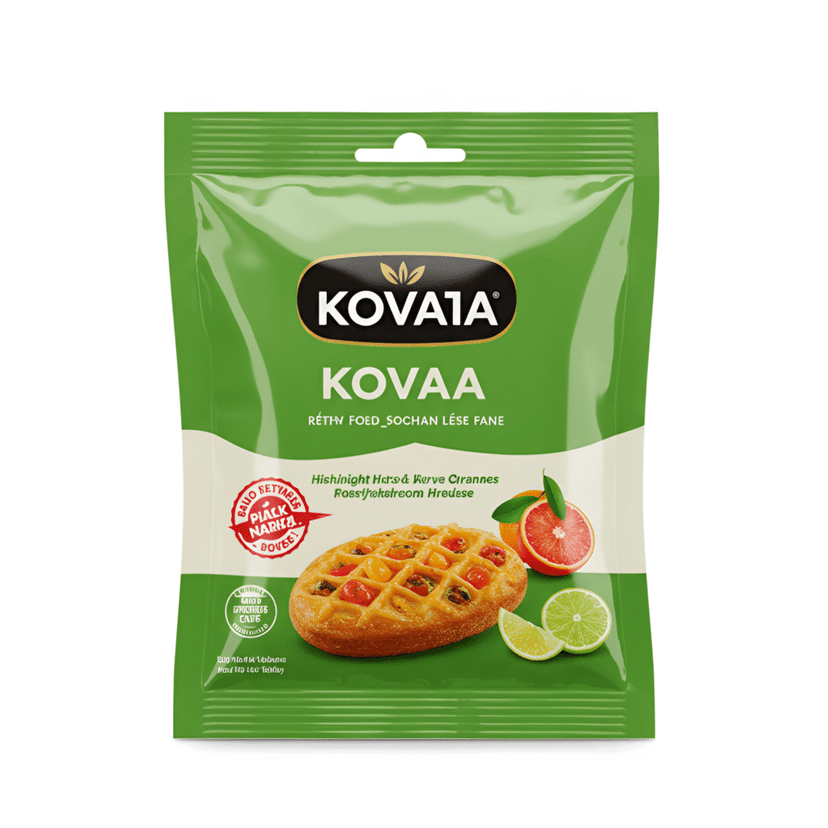
With many years of experience in the packaging industry, KOVAA Packaging is a reputable address specializing in providing plastic bags PE, PP, HDPE for businesses in the fields of food, fashion, cosmetics, pharmaceuticals and consumer goods.
KOVAA owns a modern production line, uses materials that meet food hygiene and safety standards, and advanced gravure printing technology to help products have sharp colors, durability, beauty and high aesthetics.
In particular, KOVAA is committed to competitive pricing; the larger the volume, the more competitive the unit price, suiting manufacturers and export brands.
Understanding the characteristics of each type of bag PE, PP and HDPE helps businesses choose the right type of packaging, both ensuring product quality and optimizing costs.
If you are looking for a reputable plastic bag manufacturer with sharp printing and reasonable prices, KOVAA Packaging is a reliable partner - accompanying you in building your brand and optimizing business efficiency.
Discover more specialized knowledge or immediately connect with our technical department to receive in-depth advice on material structure and processing quotes directly at the factory.